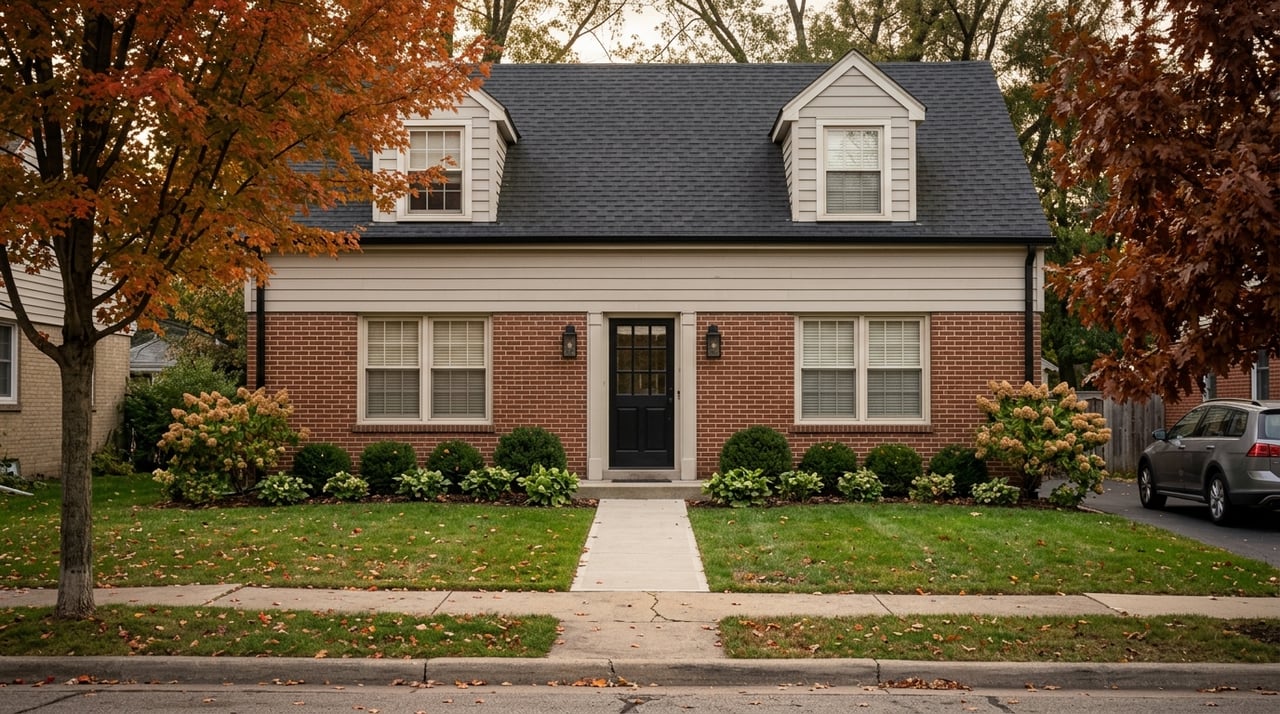
Curious why Anneslie feels so timeless the moment you drive through it? For many buyers and sellers, the answer is not just one beautiful house. It is the way the whole neighborhood comes together through porches, dormers, brick facades, steady rooflines, and a consistent streetscape that still reflects its early development. If you want to understand what gives Anneslie its classic charm, this guide will help you spot the home styles, understand how they shape everyday living, and see what matters if you plan to buy or sell here. Let’s dive in.
Why Anneslie Feels Distinct
Anneslie is a National Register historic district in Baltimore County, just north of the Baltimore City line. It developed between 1922 and 1961 as part of the York Road corridor’s growth during the streetcar and automobile era, and it includes 477 contributing resources arranged on a grid of uniform lots.
That planning still shows today. The original subdivision used lots averaging about 125 by 50 feet with a 25-foot setback, which helps create the neighborhood’s modest scale and consistent front-yard rhythm. Instead of oversized homes crowding each other, you get a streetscape that feels balanced and visually connected.
Most properties are detached single-family homes, with a small commercial cluster along the western edge. The district also retains a high degree of integrity, meaning many homes still reflect their original form and massing even when updates like replacement windows or synthetic siding have been added over time.
Home Styles You’ll See Most
Anneslie is not a one-style neighborhood. Its character comes from a mix of early 20th-century home types that developed over several decades, with some streets leaning more casual and compact while others feel a bit more formal.
Bungalows and Cottages
Many of the earlier homes on Regester, Murdock, Anneslie, and Dunkirk Roads are bungalows, cottages, and Foursquares built in the 1920s and 1930s. In Anneslie, bungalows are often 1 1/2 stories tall with integral porches and large front-facing dormers, and many still have wood shingles or stucco exteriors.
These homes usually feel practical and inviting. Their lower rooflines, broad porches, and compact footprints often create a comfortable, lived-in feel that appeals to buyers looking for character without a huge footprint.
Cape Cods
Cape Cod homes are especially common in the southern part of the district, including areas like Overbrook and Windwood. In Anneslie, these are usually brick homes, and some of the mid-century examples include deep roof overhangs and large picture windows.
A typical Cape Cod is a 1 1/2-story, side-gabled house with a simple, efficient layout and front dormers. In everyday terms, that often means a home that uses upper-level space well and feels straightforward, functional, and easy to live in.
Colonial and Colonial Revival Homes
You will also find Colonial Revival houses from the 1920s and 1930s in the northern part of the district, along with later Colonial-influenced homes in the south. These are often brick, two-story homes with center-hall or side-entrance plans.
This style tends to appeal to buyers who like symmetry and a more formal room layout. Features can include prominent front entries, porches, columns or pilasters, and details that create a polished, traditional look.
Foursquares, Tudors, and Other Details
Foursquares are less common, but they play an important role in the neighborhood’s overall identity. In Anneslie, they appear as cubical, hip-roofed houses, sometimes with Colonial Revival detailing.
Tudor homes appear throughout the district as well, often built in brick with stone, frame, or stucco elements. These homes are known for steep roofs, broad gable projections, and round-arched doorways, which add texture and variety to the streetscape.
A few stucco homes with Mediterranean or Spanish Mission influence are also present. They are exceptions rather than the dominant look, but they add another layer of visual interest.
How Style Shapes Daily Living
In Anneslie, architecture is not just about curb appeal. The style of a home often gives you clues about how it may feel to live there.
Smaller, Simpler Floor Plans
Bungalows and Cape Cods often feel less formal and more compact. Because much of the living space is organized within a 1 1/2-story footprint, these homes can work well for buyers who want charm and manageable space.
For some homeowners, that also means less square footage to furnish, maintain, or update. If you are thinking about simplifying your lifestyle or planning a future downsizing move, this type of layout can feel especially practical.
More Separation Between Spaces
Colonials and Foursquares usually feel more substantial and more clearly divided by floor and function. That often translates to a stronger separation between living, dining, and bedroom areas.
For buyers who prefer a more traditional room flow, this can be a real advantage. For sellers, that structure can also be useful when preparing a home for market, since it often helps each room read clearly during showings.
Why Some Blocks Feel Different
One of the most interesting things about Anneslie is that different streets can feel noticeably different even within the same district. That is tied to how the neighborhood developed over time.
The district grew from the northern and western edges outward, and the earlier streets were built first. As a result, the earlier northern and western sections tend to be more bungalow-heavy and modest in scale, while the later southern areas often show more Cape Cod, Colonial, and Tudor influence.
That pattern helps explain why one block may feel more casual and cottage-like while another feels a bit more formal. For buyers, this can be helpful when narrowing down what part of Anneslie best matches your style preferences.
The Real Source of Anneslie’s Charm
Charm in Anneslie is about more than age. It comes from the way the neighborhood’s homes relate to one another through scale, setbacks, and original architectural features.
Many houses still retain the elements that give the area its identity, including porches, dormers, brick or stucco walls, distinctive rooflines, and modest front yards. Even where updates have occurred, the neighborhood still reads as cohesive because so many homes keep their original form and massing.
The terrain also adds interest. In some areas, you will notice detached garages or basement-level garages where the land becomes more rolling, which gives certain blocks a slightly different visual rhythm without losing the overall sense of continuity.
What Buyers Should Notice
If you are house hunting in Anneslie, it helps to look beyond the listing photos and pay attention to the details that affect both character and function.
Here are a few things worth noticing when touring homes:
- The home’s overall shape and roofline
- Porch design and condition
- Dormers and upper-level ceiling lines
- Exterior materials such as brick, stucco, or shingles
- Window style and whether replacements fit the home’s look
- Garage placement, especially on sloped lots
- How the home sits within the consistent front-yard setback pattern
These details can tell you a lot about how much original character remains and how the home fits within the broader streetscape.
What Sellers Should Keep in Mind
If you own a home in Anneslie, your home’s appeal is often tied to the features that make the neighborhood recognizable. Buyers are usually responding not only to your house, but also to the architectural consistency and historic feel of the block.
That means visible elements matter. Roofs, chimneys, windows, masonry, porches, and trim all play a big role in how buyers perceive upkeep and authenticity.
For qualifying owner-occupied historic properties, Maryland’s homeowner historic tax credit program lists several rehabilitation categories that may be eligible, including roof repair, chimney repair, window and door restoration, masonry repair or repointing, and trim restoration. Approved projects may receive a 20% credit, capped at $50,000 over a 24-month period.
If you are preparing to sell, thoughtful updates that respect the home’s architectural character can support a stronger first impression. And if you are planning a move later in life or helping a family member transition out of a longtime home, having a clear plan for repairs, presentation, and timing can make the process much less overwhelming.
A Historic Anchor Worth Knowing
Anneslie’s story did not begin with the subdivision itself. The neighborhood takes its name from Villa Anneslie, a circa 1855 Italianate summer home that still stands on Dunkirk Road.
That earlier property serves as a historic anchor for the later neighborhood that grew around it. It is a reminder that Anneslie’s charm comes from layers of history, not just from one architectural trend.
Whether you are buying your first home in the area, moving within Towson, or helping a parent downsize from a longtime property, understanding these details can help you make a more confident decision. If you want local guidance on buying or selling in Anneslie with a strategy that respects both the home and the process, The Hofmann Home Group is here to help.
FAQs
What home styles are most common in Anneslie?
- Anneslie is known for bungalows, cottages, Cape Cods, Colonial and Colonial Revival homes, Foursquares, and Tudor-style houses, with a few Mediterranean or Spanish Mission influenced homes as well.
Why do some Anneslie streets have more bungalows?
- The neighborhood developed from the northern and western edges outward, so the earlier streets were built first and tend to include more bungalows and other modest early homes.
Are most Anneslie homes detached houses?
- Yes. The district was designed primarily around detached single-family homes, with only a small commercial cluster at its western edge.
What gives Anneslie its historic charm?
- Much of Anneslie’s charm comes from its consistent setbacks, modest scale, porches, dormers, brick and stucco exteriors, rooflines, and the fact that many homes still retain their original form and massing.
What exterior features matter most in an Anneslie home?
- Key features to watch include roofs, chimneys, windows, masonry, porches, trim, and other visible architectural details that shape both curb appeal and long-term upkeep.
Is there a historic tax credit for certain Anneslie homeowners?
- Maryland’s homeowner historic tax credit program may offer a 20% credit for approved rehabilitation work on qualifying owner-occupied historic properties, capped at $50,000 over a 24-month period.