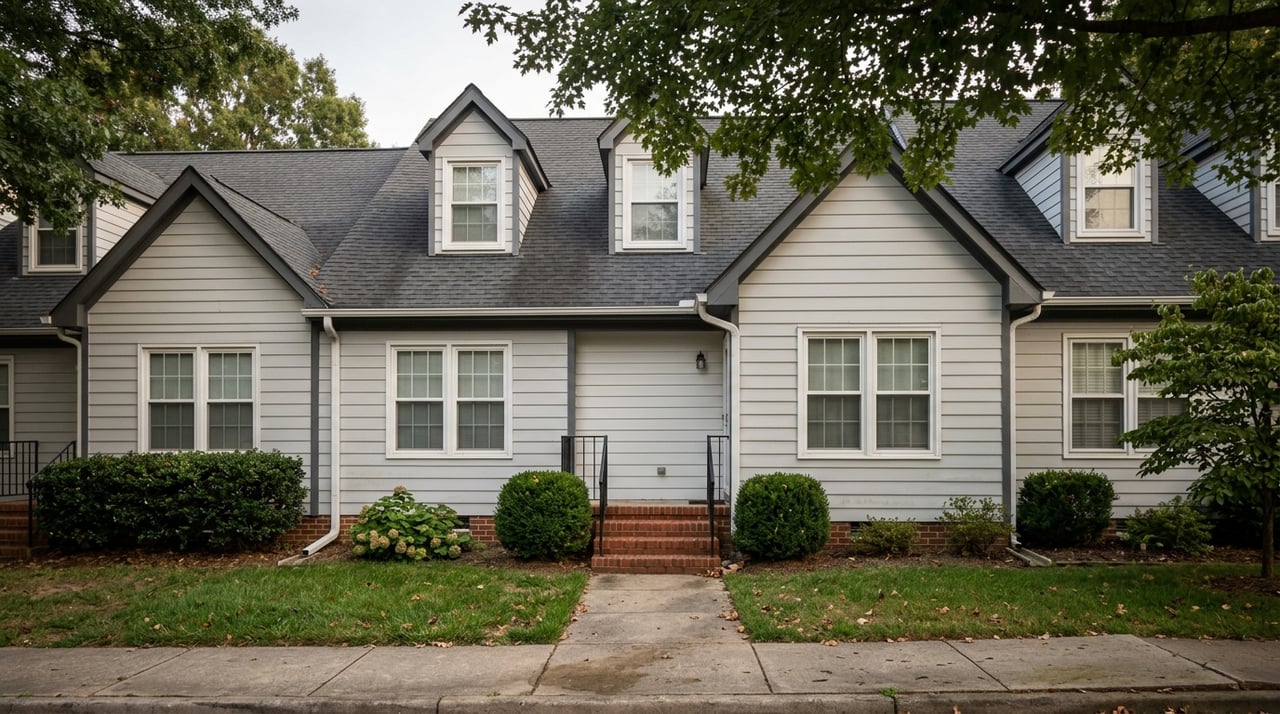
If you are hoping to buy your first home in the Towson area, Rodgers Forge is worth a close look. It offers a well-established neighborhood setting, practical rowhouse layouts, and a median home price that can be more approachable than some nearby options. If you want to understand what daily life, home styles, and ownership realities really look like here, this guide will help you weigh the tradeoffs with confidence. Let’s dive in.
Why Rodgers Forge stands out
For many first-time buyers, the biggest challenge is finding a neighborhood that feels established without pushing too far out of reach. Rodgers Forge often enters that conversation because it combines a strong neighborhood identity with a housing type that is typically more attainable than nearby detached-home areas.
Rodgers Forge is a historic Towson-area neighborhood developed from 1931 to 1957 by James Keelty and his sons. The district covers about 150 acres, includes roughly 1,780 contributing buildings, and was added to the National Register of Historic Places in 2009. That history shapes both the look of the neighborhood and the way ownership works today.
As of Realtor.com’s December 2025 summary, Rodgers Forge had a median home price of about $419,000, with 7 homes for sale, about 44 days on market, and a 99% sale-to-list ratio. That still points to a competitive market, but it can be a realistic entry point for some buyers who want a first house in the Towson area.
What homes in Rodgers Forge are like
Rodgers Forge is primarily a rowhouse and group-home neighborhood. The earliest homes have English-style design, while later sections use an Early American style. Most homes follow a practical layout with two rooms in front and two rooms in back.
Inside, the flow is typically compact and functional. In many homes, the front door opens into the living room, the staircase sits near the entry, the kitchen is behind the stairs, and the dining room is behind the living room. Bedrooms are upstairs, and many homes were built with finished basements and detached garages.
Home widths vary by era. Earlier homes are usually about 21 feet wide, while later homes are often closer to 19 or 20 feet wide. That may not sound like a big difference on paper, but it can affect how open or efficient a home feels when you walk through it.
Why the rowhouse format matters
For a first-time buyer, the attached-home format can be a major part of Rodgers Forge’s appeal. Compared with a detached house, you may have a smaller exterior-maintenance footprint and a more compact, manageable setup.
At the same time, older attached homes come with less flexibility than you might find in a newer subdivision. Lot sizes, shared walls, original layouts, and historic-district rules can all influence what changes are practical. If you love character and consistency, that may feel like a plus. If you want unlimited customization, it is something to think through early.
Daily life and convenience in Rodgers Forge
A neighborhood can look great on paper but still fall short in day-to-day life. Rodgers Forge tends to appeal to buyers who want errands, services, and local destinations to feel close at hand.
Rodgers Forge Elementary and Dumbarton Middle are centrally located in the neighborhood on Dumbarton Road, and Towson High is less than a mile away. For buyers comparing neighborhoods, that central placement is one reason Rodgers Forge often feels connected and easy to navigate.
The York Road corridor serves as the neighborhood’s commercial spine. Community resources in and around the area include the Towson Library, Stoneleigh Lanes, pharmacies, mechanics, contractors, pools, and youth sports programs. The York Road corridor has also been described as walkable and green, with a substantial tree canopy and nearby retail and service clusters, including a Giant-anchored shopping center and smaller food establishments.
If you are moving from an apartment or condo, that mix of services may help reduce how often you need to drive for everyday errands. It is one of the practical lifestyle advantages that helps Rodgers Forge stand out for many first-time buyers.
Historic district rules to know
One of the most important things to understand before you buy in Rodgers Forge is that exterior work is not handled casually. Because the neighborhood is in a historic district, some visible changes require review before work begins.
The Rodgers Forge Community Association states that residents must request approval before exterior changes begin. Baltimore County also says that properties in a historic district are subject to historic review for certain exterior alterations and site modifications, and the county requires permits for exterior work that affects appearance, including windows, siding, fences, and other exterior features.
For you as a buyer, this means planning ahead. If you think you may want to replace windows, change a fence, or add visible exterior features, expect more process than you would in a newer neighborhood. That does not make ownership harder across the board, but it does mean you should budget time and attention for approvals.
Maintenance realities of older homes
Most homes in Rodgers Forge are mid-20th-century properties, not newer infill. The district’s period of significance runs from 1925 to 1957, and the documented building materials include brick, stucco, stone, wood, and slate.
That age and material mix are part of the neighborhood’s appeal, but they also matter when you plan your budget. Older masonry, roof systems, and long-lived home components are common reasons first-time buyers set aside funds for inspections, repairs, and reserves.
This is where a practical mindset helps. A first home in Rodgers Forge can be a strong fit if you are ready for the realities of an older property and you go in with a clear understanding of condition, likely maintenance, and your comfort level with ongoing upkeep.
Rodgers Forge vs. Anneslie and Stoneleigh
Many buyers looking in this part of Baltimore County compare Rodgers Forge with nearby Anneslie and Stoneleigh. These neighborhoods each have a distinct housing pattern, and those differences show up in price and availability.
As of the same December 2025 Realtor.com snapshot, Anneslie had a median home price of $504,450, with 4 properties for sale and about 46 days on market. That puts Anneslie roughly 20% higher than Rodgers Forge by median price.
Stoneleigh appears tighter still in available inventory. Realtor.com’s nearby-neighborhood data showed 1 home for sale and 0 rentals, while current Stoneleigh listings included homes around $840,000 and $1.2 million. Stoneleigh’s own neighborhood page showed N/A for neighborhood median pricing.
Long-term housing patterns help explain the difference. The Anneslie National Register nomination describes Anneslie as detached houses of modest scale, Stoneleigh as having somewhat larger houses and lot sizes, and Rodgers Forge as a brick rowhouse neighborhood. In simple terms, Rodgers Forge usually sits at the more affordable end of the trio, Anneslie is often the next step up, and Stoneleigh generally lands in the highest price tier.
What first-time buyers should weigh
Rodgers Forge can make a lot of sense if you want your first home to be in an established Towson-area neighborhood with a clear identity. It may be especially appealing if you value practical layouts, nearby services, and a price point that can be more reachable than some neighboring communities.
Still, it is important to balance the benefits with the tradeoffs. Before you buy, think through a few key questions:
- Are you comfortable with the maintenance needs of an older home?
- Do you like the efficient layout of a classic rowhouse?
- Would historic-district review feel manageable for your future plans?
- Are you prepared to act quickly in a market with a 99% sale-to-list ratio?
If your answers lean yes, Rodgers Forge may be one of the most practical ways to buy a first house in the Towson area.
A smart way to approach your search
For a first-time buyer, clarity matters more than perfection. In Rodgers Forge, that means understanding not just the list price, but also layout, condition, maintenance expectations, and the rules that come with a historic district.
When you tour homes here, pay close attention to how the space functions for your daily routine. Look at basement condition, window condition, roof age when available, and how much of the home feels updated versus original. In a neighborhood with consistent housing types, small differences in condition and layout can have a big effect on long-term comfort and cost.
If you want local guidance as you compare Rodgers Forge with other Towson-area neighborhoods, The Hofmann Home Group can help you make sense of the options and move forward with confidence.
FAQs
What makes Rodgers Forge appealing for first-time buyers?
- Rodgers Forge offers an established Towson-area setting, practical rowhouse homes, nearby services, and a median home price around $419,000, which is lower than nearby Anneslie based on the December 2025 Realtor.com summary.
What types of homes are common in Rodgers Forge?
- Most homes in Rodgers Forge are attached rowhouses or group homes built between the 1930s and 1950s, often with compact layouts, upstairs bedrooms, and many with basements and detached garages.
What should buyers know about historic district rules in Rodgers Forge?
- Buyers should know that certain exterior changes may require review and permits, including work affecting windows, siding, fences, and other visible exterior features.
How does Rodgers Forge compare with Anneslie for home prices?
- Realtor.com’s December 2025 data shows Rodgers Forge at a median home price of about $419,000 and Anneslie at about $504,450, making Rodgers Forge the lower-priced option by roughly 20%.
What is daily convenience like in Rodgers Forge?
- Rodgers Forge has access to schools within or near the neighborhood and is close to the York Road corridor, which includes retail, services, and community resources that can make everyday errands easier.
What maintenance issues should first-time buyers expect in Rodgers Forge?
- Because most homes are older mid-century properties built with materials like brick, stucco, stone, wood, and slate, buyers should plan for inspections, maintenance, and repair reserves.