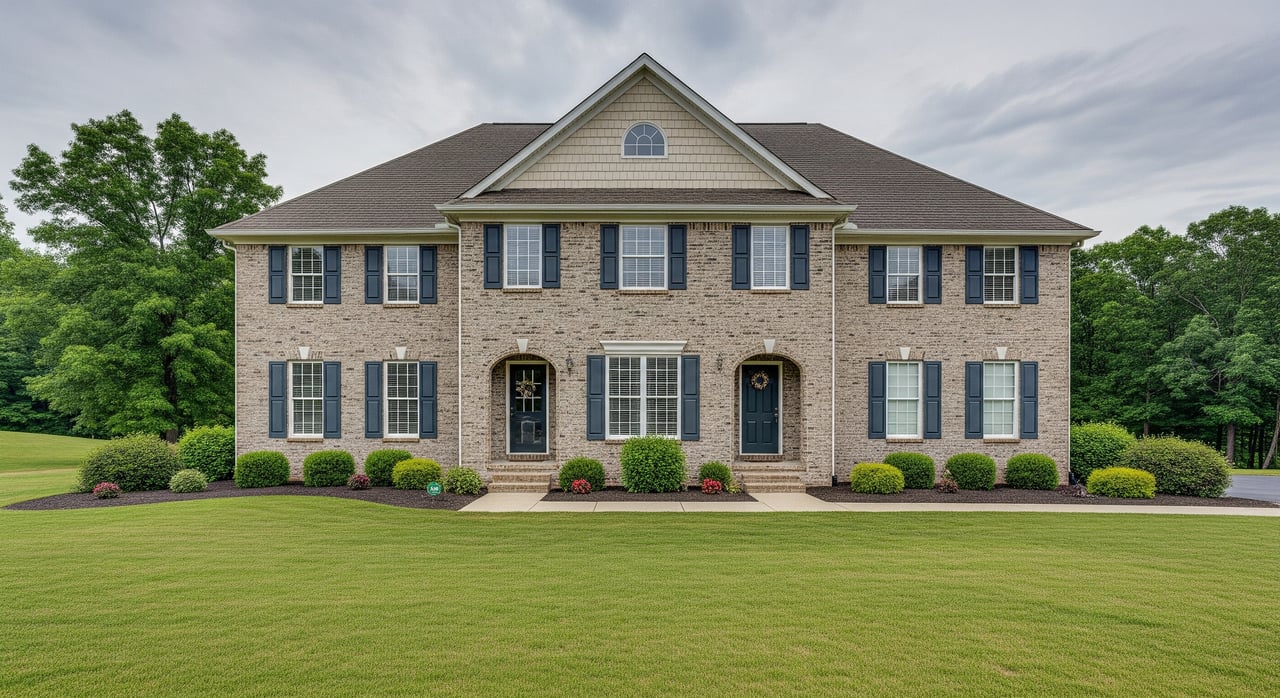
Thinking about listing your Hampton home this spring and wondering which fixes are actually worth it? You are not alone. Spring is a busy season, and the right upgrades can help you stand out without overspending or losing precious time. In this guide, you will learn which improvements deliver strong visual impact for photos, how to prioritize work based on local comparables, and when to skip upgrades so you protect your bottom line. Let’s dive in.
Why local comps drive ROI in Hampton
You will get the best return when your home meets buyer expectations for Hampton specifically, not just national rules of thumb. The most reliable way to decide where to invest is to study nearby successful sales and mirror their finish level.
Use these local references before choosing projects:
- Bright MLS comparables: review 6–12 nearby sold listings within about a half mile that match your home’s size and age. Look closely at photos, final prices, and days on market.
- Baltimore County property and tax records: verify lot size, year built, and finished square footage so you are comparing apples to apples.
- Local listing agents and appraisers: ask what Hampton buyers expect right now and which cosmetic updates tip the scales.
- Baltimore County Dept. of Permits, Approvals & Inspections: confirm whether any planned work could require a permit.
Aim for visual parity with top comps. If the best recent sales show neutral paint, refreshed kitchens, and consistent flooring, those items matter more for you.
High-impact upgrades that photograph well
Low cost, highest leverage
These projects deliver the biggest photo impact for the least money and time.
- Interior neutral paint: Use a warm white or soft greige in living areas and the main bedroom. Choose eggshell or satin for walls and semi-gloss for trim. Patch nail holes and keep colors simple so rooms read clean and bright in photos.
- Deep clean, declutter, and depersonalize: Remove extra furniture, family photos, and busy decor. Clean carpets, scrub kitchens and baths, and dust high corners. A pared-back, spotless home looks larger and more move-in ready.
- Lighting refresh: Replace burned-out bulbs with daylight-balanced LEDs. Consider simple, modern fixtures in the entry, kitchen, and main bath. Brighter spaces feel bigger and show better online.
- Minor bath refresh: Re-caulk and re-grout, install a new faucet and shower head, update vanity hardware, and swap a dated mirror. Clean, neat bathrooms are deal-makers in photos.
- Curb and entry micro-upgrades: Power-wash siding and walkways, paint the front door, add new house numbers, tidy the beds, and mulch. A crisp exterior sets a positive tone before buyers step inside.
- Flooring touch-ups: Deep clean carpets or replace worn rugs. If budget allows, spot-refinish scratched hardwoods where it is quick and affordable. Clean, consistent flooring photographs best.
- Staging basics: Reduce pieces to open up space, use neutral bedding and towels, and add a few small accents like a plant or throw pillow. Simple styling helps photographs pop.
Moderate cost, targeted upgrades
If your top comps show updated finishes, consider these focused projects.
- Cabinet refresh: If your cabinets are sturdy but dated, paint them and add new hardware. You can also replace doors or fronts for a bigger refresh without a full gut.
- Kitchen light update: New LED fixtures or pendants, a modern faucet, and a fresh backsplash can elevate photos without a major remodel.
- Countertop and sink swap: If counters are damaged or heavily worn, a mid-range, neutral surface and a clean sink can modernize the space.
- Flooring replacement in key areas: In main living spaces, consistent, durable flooring—like wood-look plank vinyl or mid-range hardwood—creates a cohesive look that shows well.
- Professional cleaning and small repairs: Fix sticky doors, broken tiles, loose railings, and visible plumbing leaks. Small issues suggest bigger problems, so addressing them upfront builds buyer confidence.
Higher cost projects, used with caution
Major kitchen or bath renovations, roof or siding replacement, and additions can be necessary, but they are expensive. Only pursue them when:
- Nearby renovated homes are achieving significantly higher prices and your home would compete directly with them.
- An inspection or obvious failure points to a major repair that will be flagged by buyers or appraisers.
If your neighborhood’s successful sales are mostly original condition or modestly refreshed, a full-scale remodel may not be recouped.
Hampton spring timeline and budget plan
Start early, then prioritize by photo impact.
- Planning, 6–8 weeks out: Review comps, choose projects, gather 2–3 contractor bids, and order materials.
- Execution, 3–6 weeks: Lead with paint, lighting, minor repairs, flooring updates, and curb appeal. Keep the kitchen and bath refreshes on a tight schedule.
- Photos, right after completion: Schedule professional photos 48–72 hours after cleaning and staging. Capture exterior shots when mulch is fresh and landscaping is tidy.
Use a simple budget framework:
- Low cost, high impact: neutral paint, lighting, cleaning, declutter, minor bath fixes, curb touch-ups.
- Moderate cost, targeted: cabinet painting or fronts, backsplash, mid-range counters where needed, key-area flooring, minor repairs.
- Major cost, selective: full renovations or big-ticket systems only when comps or condition require it.
Apply a quick ROI filter: Will this upgrade bring your home in line with the top 2–3 local comps? If yes, it likely helps. If not, reconsider or shift the money to projects with stronger photo impact.
Permits, contractors, and quality control
Most cosmetic work—paint, hardware swaps, non-structural flooring, and simple light fixture replacements—typically does not require a permit. Structural, electrical, plumbing, or HVAC changes may require permits in Baltimore County. Always verify requirements with the county before starting.
Choose contractors who can meet a spring timeline and deliver clean finishes:
- Get 2–3 bids, check references, and confirm licensing and insurance where applicable.
- Use written agreements with clear scope, materials, finish standards, and a start and end date.
- For fast-turn cosmetic jobs, consider specialists who regularly prepare homes for sale.
Quality control matters. Do a walkthrough and punch list before photos. Confirm paint touch-ups, clean lines around trim, working bulbs, caulked gaps, and spotless surfaces.
When to skip upgrades
Sometimes the best ROI is restraint. Consider holding back when:
- The market is moving quickly and most homes are selling with multiple offers. Focus on cleaning, decluttering, and pricing.
- You risk over-improving for the area. If most nearby sales are original condition, a high-end remodel will not fully pay back.
- Budget is tight and the upgrade will not change the home’s market tier. Price appropriately and disclose clearly instead.
- The home has significant system or safety issues. Prioritize those repairs or plan for credits rather than cosmetic fixes that do not solve the core problem.
Use the “comp delta” rule: If a set of targeted upgrades can elevate your home to the level of top comps, do them. If not, a larger renovation or a price adjustment is the smarter strategy.
Photo-day and showing checklist
Dial in the details that buyers notice first.
- Entry: Clear the walkway, paint the front door if needed, and make sure house numbers are visible.
- Living room: Minimize furniture, open curtains, use daylight LEDs, and clear surfaces.
- Kitchen: Keep counters nearly empty, leave a small plant or bowl, clean the sink, and remove fridge magnets.
- Primary bath: Clear counters, clean grout, add fresh caulk, and hang neutral towels.
- Bedrooms: Make beds with simple bedding, turn on bedside lamps, and remove clutter.
- Exterior: Power-wash, trim hedges, edge the lawn when in season, tidy beds, and keep driveways clear for photos.
- Tours: Consider a short walk-through video or a 3D tour. Virtual staging can help vacant rooms, and should be disclosed in the listing when used.
Local touches that matter in Hampton
Seasonal landscaping counts in spring. Time mulch and plantings just before photos so beds look fresh. Choose durable exterior paint and materials that handle Mid-Atlantic moisture well.
Hampton buyers often value easy maintenance, practical updates, and a home that feels move-in ready. Clean gutters, replace rotted trim, and document any repairs. Maryland law requires you to disclose known material defects, so keep receipts and warranties organized to boost buyer confidence.
Put it all together: a simple plan
- Study the top local comps and set a finish target based on their photos.
- Choose low-cost, high-impact upgrades first, then layer in targeted moderate projects if comps justify them.
- Build a 6–8 week plan so work, staging, and photos are finished as spring buyers hit the market.
- Verify permits if any work touches structure, electrical, plumbing, or HVAC.
- Do a final punch list and schedule professional photography right after cleaning.
If you want a turnkey approach, our team can coordinate quotes, oversee cosmetic refreshes, arrange staging, and manage timelines so you can list with confidence. Reach out to The Hofmann Home Group for local guidance and a streamlined plan to maximize your spring sale.
Ready to see where your home stands today and what to do next? Contact The Hofmann Home Group to get a clear plan and pricing strategy, then tap “Get My Home Valuation” to start your move with confidence.
FAQs
What upgrades deliver the best ROI for a Hampton spring listing?
- Neutral interior paint, deep cleaning and decluttering, lighting updates, minor bath refreshes, curb appeal touch-ups, and targeted kitchen or flooring refreshes where comps support them.
How far in advance should Hampton sellers start pre-listing work?
- Begin planning 6–8 weeks before your target list date, then schedule 3–6 weeks for execution so photos and staging are ready as the spring market peaks.
Do I need a Baltimore County permit for cosmetic updates?
- Most cosmetic work does not require permits, but structural, electrical, plumbing, or HVAC changes may; confirm with Baltimore County before starting to avoid delays later.
Is painting kitchen cabinets worth it in Hampton?
- Yes, when cabinets are structurally sound but dated; a quality paint and hardware refresh often aligns your kitchen with successful comps at a lower cost than full replacement.
Should I replace flooring or offer a credit when selling in Hampton?
- Replace worn or mismatched flooring in key rooms when it helps you match top comps and improve photos; if scope is large and ROI is uncertain, a price credit may be wiser.
When should I skip cosmetic upgrades before listing?
- Skip when the market is very hot, when upgrades would over-improve for nearby sales, when budget limits impact, or when major repair needs should take priority over aesthetics.
Ready to take the next step? Connect with The Hofmann Home Group for local guidance, contractor coordination, staging, and a data-backed pricing plan that puts your home in the best light this spring.